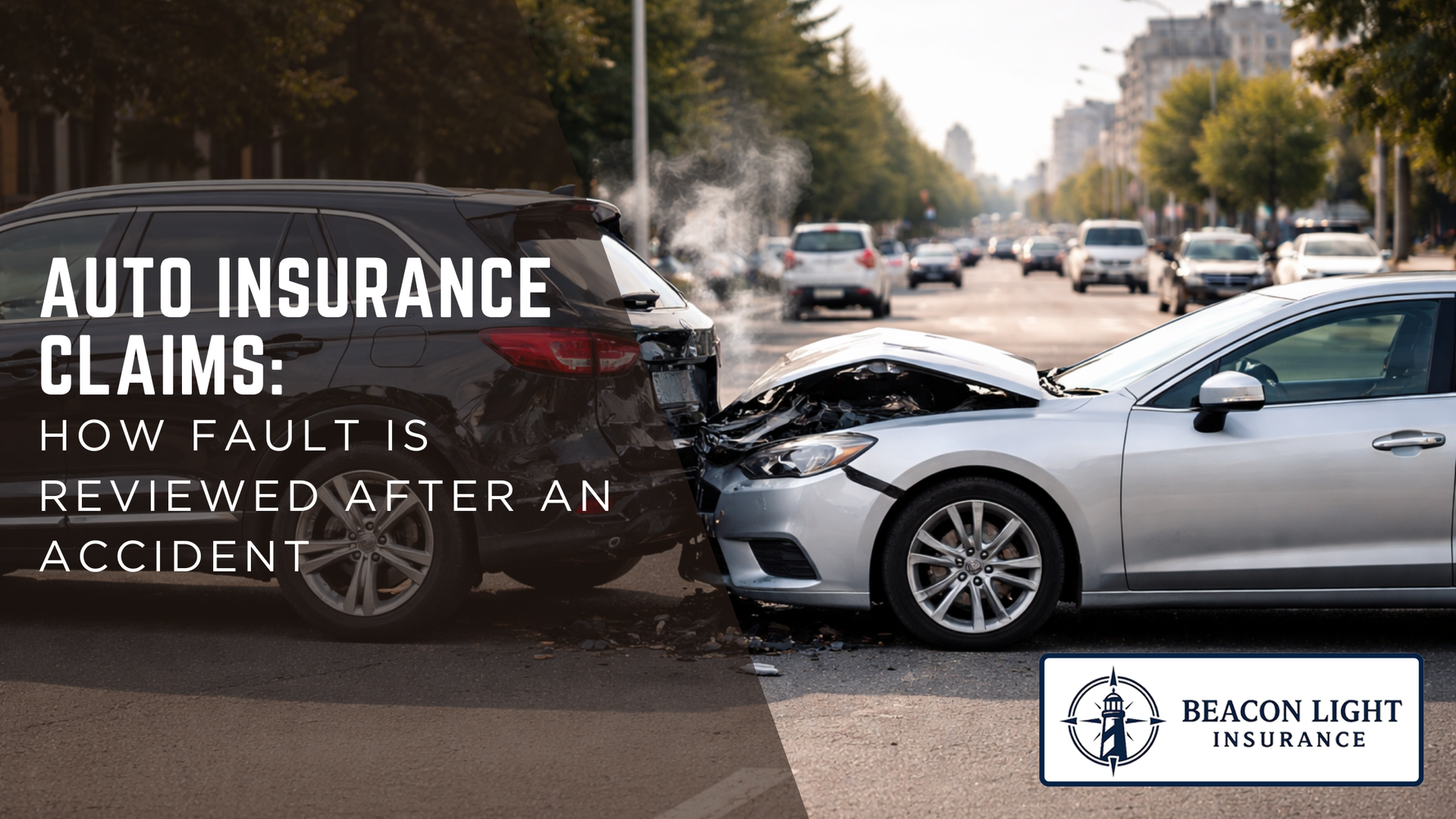
After a car accident, one of the biggest questions is who was at fault and how that decision affects the claim. For drivers in Star, ID, understanding how fault is reviewed can make the claim process less confusing and help you know what information may matter after a collision.
Why Fault Matters In An Auto Insurance Claim
Fault matters because it can affect which
insurance policy pays, whether a deductible applies, how liability limits are used, and whether a driver may see future premium changes. It can also affect repair payments, injury claims, rental reimbursement, and negotiations between insurance companies.
Fault is not always determined by one statement at the scene. Insurance adjusters review evidence, policy language, traffic rules, damage patterns, police reports, witness statements, and other details before making a decision.
In our work with clients, a common issue we see is that drivers assume the other person is automatically at fault because the accident “felt obvious.” In reality, the insurance company still has to document the facts before accepting liability.
How Insurance Companies Review Fault
After an accident is reported, the
insurance company assigns a claims adjuster. The adjuster investigates what happened and compares the facts to traffic laws, policy terms, and liability standards.
The process may include reviewing:
- Statements from each driver
- Police or crash reports
- Photos and videos
- Vehicle damage
- Skid marks or debris location
- Witness accounts
- Traffic signals and signs
- Weather and road conditions
- Dashcam or surveillance footage
- Medical reports, if injuries are involved
The adjuster’s job is to determine whether one driver, multiple drivers, or another factor contributed to the crash.
Driver Statements
Driver statements are often one of the first pieces of information reviewed. Each driver may be asked to explain what happened before, during, and after the collision.
It is important to be accurate and consistent. Avoid guessing, exaggerating, or admitting fault before all facts are reviewed. You can describe what you saw, where you were, how fast you were traveling, what direction you were moving, and what actions you took.
What To Include In Your Statement
Helpful details may include:
- Date, time, and location
- Direction of travel
- Lane position
- Traffic signals or signs
- Approximate speed
- Weather and visibility
- Actions taken before impact
- Whether headlights, turn signals, or brake lights were used
- Any statements made by the other driver
- Whether there were passengers or witnesses
If you are unsure about a detail, say so. A careful statement is more useful than a confident guess.
Police Reports
A police report can be important, but it does not always make the final decision for the
insurance company. The report may include driver information, witness names, diagrams, citations, officer observations, and sometimes an opinion about contributing factors.
If a citation was issued, the insurer may consider it. However, the adjuster still reviews the full claim. A police report may contain mistakes or incomplete information, especially if the officer did not witness the crash.
Drivers should request a copy of the report when available and review it for accuracy.
Photos, Videos, And Physical Evidence
Photos and videos can be very helpful in reviewing fault. Damage patterns may show the point of impact, vehicle position, and how the crash likely occurred. Roadway photos can show traffic signs, lane markings, construction zones, or visibility issues.
If the accident happened near the Boise River corridor, a parking lot, or a busy intersection along a main road, surrounding details can matter. Photos taken immediately after the crash may capture conditions that change quickly, such as vehicle placement, weather, debris, or traffic signals.
Useful photos include:
- All sides of each vehicle
- Close-ups of damage
- License plates
- Traffic signs and signals
- Lane markings
- Road conditions
- Skid marks or debris
- Nearby driveways or entrances
- Wider scene photos from multiple angles
Dashcam footage, doorbell cameras, or business surveillance footage may also help, but it should be preserved quickly because some systems overwrite recordings.
Witness Statements
Independent witnesses can be valuable because they are not usually financially involved in the claim. A witness may confirm which vehicle changed lanes, who entered the intersection first, whether a signal was used, or whether a driver ran a red light.
If there are witnesses at the scene, collect their names and contact information when it is safe to do so. Do not pressure anyone to give an opinion. Simply ask whether they are willing to provide what they saw.
Witnesses can be especially helpful in disputed accidents where each driver gives a different version of events.
Comparative Fault
Some accidents involve shared responsibility. This is often called comparative fault or comparative negligence. It means more than one driver may be considered partly responsible.
For example, one driver may have failed to yield, while the other may have been speeding. In another situation, one driver may have made an unsafe lane change while the other was distracted.
The insurance company may assign percentages of fault based on the evidence. Those percentages can affect how much is paid and by whom, depending on state law and the specific facts of the claim.
For drivers in Star, ID, it is important to understand that fault is not always all-or-nothing. Even if another driver contributed to the accident, your own actions may still be reviewed.
Common Accident Scenarios And Fault Questions
Certain accident types often raise specific fault questions.
Rear-End Collisions
In many rear-end accidents, the rear driver is often presumed to have followed too closely or failed to stop in time. However, there can be exceptions. Sudden unsafe stops, multi-car impacts, brake light failures, or cut-ins can affect the review.
Left-Turn Accidents
Left-turn accidents often involve questions about right of way, traffic signals, speed, and whether the turning driver had enough time to complete the turn safely.
Lane Change Accidents
Lane change claims may depend on whether a turn signal was used, whether the lane was clear, whether the vehicles were side by side, and where the damage occurred.
Parking Lot Accidents
Parking lot accidents can be more complicated than they seem. Fault may depend on who was backing out, who had control of the lane, whether either driver was stopped, and whether visibility was limited.
Intersection Accidents
Intersection claims may involve traffic lights, stop signs, right of way, speed, witnesses, and camera footage. These claims can become disputed when both drivers say they had the green light.
What If The Insurance Companies Disagree?
Sometimes each driver’s
insurance company reaches a different conclusion. One insurer may accept liability, while another may deny it or assign shared fault.
When insurers disagree, they may continue investigating, request more evidence, negotiate fault percentages, or use arbitration if both companies participate in that process. If injury claims or lawsuits are involved, legal proceedings may also affect the outcome.
As a policyholder, you should provide accurate information, respond to requests, and keep copies of all documentation.
How Fault Can Affect Your Deductible
If you use your own collision coverage to repair your vehicle, your deductible usually applies, even if another driver may be at fault. Your
insurance company may later pursue recovery from the at-fault driver’s insurer through subrogation.
If your insurer recovers payment, you may receive some or all of your deductible back, depending on the recovery and claim circumstances. This process can take time and is not guaranteed.
If the other driver’s insurer accepts fault quickly, you may be able to pursue repairs through that company instead. However, delays can happen if liability is disputed.
How Fault Can Affect Premiums
A fault determination may affect future premiums, but the impact depends on the insurer, policy, driving history, state rules, claim size, and whether accident forgiveness or other features apply.
Not every claim affects rates the same way. A minor not-at-fault claim may be treated differently from an at-fault accident involving injuries or significant property damage.
Drivers should ask their insurance agent or carrier how the claim may affect renewal pricing, but the final impact may not be known until the policy renews.
Steps To Take After An Accident
The actions taken after an accident can affect the claim review. Focus first on safety, then documentation.
Practical steps include:
- Check for injuries and call emergency services if needed.
- Move to a safe location if possible.
- Exchange information with the other driver.
- Take photos of vehicles and the scene.
- Collect witness contact information.
- Avoid arguing about fault at the scene.
- Request a police report when appropriate.
- Notify your insurance company promptly.
- Keep repair estimates, medical records, and claim notes.
For drivers in Star, ID, prompt documentation can be especially helpful when traffic patterns, weather, or road conditions change quickly after the accident.
Conclusion
Fault in an
auto insurance claim is reviewed through evidence, statements, police reports, vehicle damage, traffic laws, and claim investigation. The decision may be clear in some accidents, but other crashes involve shared responsibility or disputed facts.
Understanding how fault is reviewed can help drivers respond calmly, document the scene, and avoid assumptions that may complicate the claim. The more accurate information you can provide, the easier it is for the insurer to evaluate what happened.
At Beacon Light Insurance, we put our clients first by helping them find reliable insurance coverage that fits their needs and budget. Insurance is an essential part of protecting what matters most, and our experienced team is here to guide you every step of the way. To learn more about our products and services, call us at (208) 820-2880 or request a free, no-obligation quote by
Clicking Here.
Disclaimer:
The information provided in this blog is for general informational purposes only and does not constitute professional insurance advice. Coverage options and requirements can vary based on individual circumstances. For personalized recommendations, please consult a licensed insurance agent or qualified professional who can help you make informed decisions based on your specific needs.
Beacon Light Insurance
Star, ID
(208) 820-2880
https://www.beaconlight-insurance.com/