A slip-and-fall incident can happen quickly, but the financial and legal consequences can last much longer. For business owners in Star, ID, understanding how to reduce these risks and how liability insurance may respond can help protect customers, employees, and the business itself.
Why Slip-And-Fall Claims Matter For Businesses
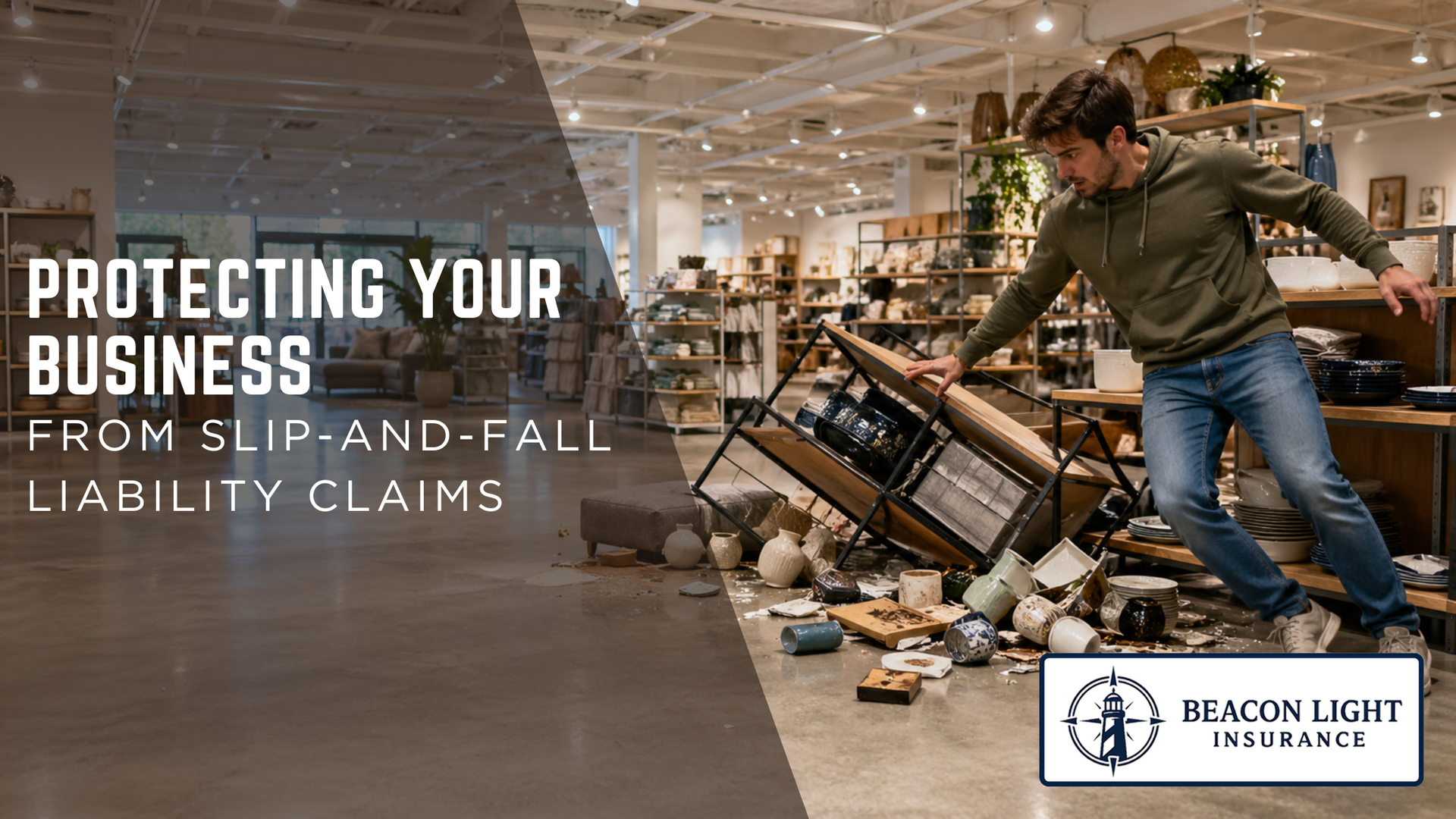
Slip-and-fall claims are among the most common liability concerns for
businesses that welcome customers, vendors, tenants, or visitors onto their property. A fall may seem minor at first, but injuries can involve medical bills, lost wages, legal expenses, and disputes over whether the business failed to maintain a safe environment.
These claims can happen in retail stores, offices, restaurants, apartment buildings, contractor showrooms, salons, medical offices, parking lots, and many other business settings. Even businesses with careful safety procedures can face a claim if someone is injured on the premises.
In our work with clients, a common issue we see is that business owners assume a clean, well-run property means a claim is unlikely. Good maintenance helps, but claims often turn on documentation, response procedures, lighting, warning signs, and whether the business can show reasonable care.
What Creates Slip-And-Fall Risk
Slip-and-fall risk usually comes from a condition that affects walking surfaces. Some hazards are obvious, while others are easy to miss during a busy workday.
Common causes include:
- Wet entryways
- Spilled liquids
- Uneven flooring
- Loose mats or rugs
- Cracked sidewalks
- Poor lighting
- Ice or snow near entrances
- Cluttered walkways
- Damaged stairs
- Missing handrails
- Freshly mopped floors without warning signs
- Cords or equipment in traffic areas
A customer walking into a business near River Birch Golf Course on a rainy day may track water inside. A delivery area may become cluttered during inventory unloading. A parking lot may develop cracks or uneven pavement over time. These everyday issues can become liability concerns if not addressed.
How General Liability Insurance May Help
General liability insurance is the primary coverage businesses rely on for many slip-and-fall claims. It may help if a third party claims bodily injury because of unsafe conditions connected to the business premises or operations.
If a customer falls and alleges the business was negligent, general liability may help with covered medical expenses, legal defense costs, settlements, or judgments, subject to the policy’s terms, limits, and exclusions.
What A Slip-And-Fall Claim May Include
A claim may involve several types of costs, including:
- Emergency room visits
- Doctor appointments
- Physical therapy
- Lost wages
- Pain and suffering allegations
- Legal fees
- Investigation costs
- Settlement negotiations
- Court judgments
The policy limit matters. A serious injury, such as a fracture, head injury, or back injury, can become expensive quickly.
General Liability Is Not A Safety Substitute
Insurance can help protect the business financially, but it does not replace prevention. A claim may still disrupt operations, affect reputation, increase future premiums, and take time to resolve.
Businesses should treat insurance as one part of a larger risk management plan. The best approach is to reduce the chance of falls and maintain clear records showing that the business took reasonable steps to keep the premises safe.
Property Maintenance And Inspection Procedures
A strong inspection routine can help prevent claims and support the business if a claim occurs. The goal is to identify hazards before someone is injured.
Inspections should cover entrances, aisles, restrooms, stairs, parking lots, sidewalks, ramps, waiting areas, and workspaces where visitors may walk. Businesses should also inspect after weather changes, deliveries, cleaning, repairs, or high-traffic periods.
Helpful Inspection Practices
Practical steps include:
- Assign responsibility for inspections.
- Create a written checklist.
- Document inspection times.
- Fix hazards promptly.
- Use warning signs when immediate repair is not possible.
- Keep walkways clear.
- Replace loose mats.
- Maintain adequate lighting.
- Document repairs and maintenance.
- Save vendor invoices for snow, ice, cleaning, or property work.
Documentation can be critical. If a claim occurs, the business may need to show what it did before the incident, not just after.
Weather-Related Slip-And-Fall Hazards
Weather can create major slip-and-fall exposure. Rain, snow, ice, mud, and windblown debris can affect entrances, sidewalks, parking lots, and interior floors.
Businesses in Star, ID should have a plan for changing weather conditions. That may include floor mats at entrances, wet floor signs, snow and ice removal procedures, salt or deicer use, and regular checks during storms.
If a landlord, property manager, or outside vendor is responsible for snow removal or exterior maintenance, the contract should clearly state who handles what.
Insurance requirements should also be reviewed.
Parking Lots, Sidewalks, And Exterior Areas
Slip-and-fall claims do not happen only inside a building. Exterior areas can create liability concerns as well. Cracked pavement, potholes, poor drainage, uneven sidewalks, inadequate lighting, and icy walkways may all contribute to a fall.
Business owners should confirm who is responsible for exterior maintenance. If the business leases space, the landlord may handle certain areas, while the tenant may be responsible for others. The lease agreement should be reviewed carefully.
A business near the Boise River corridor may also need to think about seasonal foot traffic, wet conditions, and customer access routes. The more visitors a location receives, the more important exterior maintenance becomes.
Employee Training And Incident Response
Employees should know how to identify hazards and what to do if someone falls. A fast, professional response can help protect the injured person and preserve important claim information.
Employees should be trained to:
- Report hazards immediately.
- Place warning signs when needed.
- Clean spills promptly and safely.
- Keep walkways clear.
- Document incidents.
- Avoid admitting fault at the scene.
- Escalate injury reports to management.
- Preserve video footage if available.
After a fall, the priority is safety. Call emergency services if needed, document the scene, gather witness information, and notify the
insurance carrier promptly.
Incident Reports And Evidence Preservation
An incident report should be completed as soon as possible after a fall. It should be factual, not speculative. The report should include the date, time, location, weather conditions if relevant, names of employees present, witness information, photos, and a description of the condition involved.
Photos can be valuable. Take pictures of the walking surface, lighting, signs, mats, spill, obstruction, footwear if relevant, and surrounding area. If the business has security cameras, preserve footage immediately before it is overwritten.
Avoid editing, deleting, or withholding records. Accurate documentation helps the insurance company investigate and respond appropriately.
Lease Agreements And Additional Insured Requirements
Many businesses lease their space. In those cases, the lease may require the tenant to carry
general liability insurance and name the landlord as an additional insured. The lease may also assign responsibility for sidewalks, parking lots, entrances, or common areas.
These details matter in a slip-and-fall claim. If someone falls in a shared parking lot or common walkway, the tenant, landlord, property manager, maintenance vendor, or multiple parties may be involved.
Business owners should review lease requirements, certificates of
insurance, additional insured endorsements, and maintenance responsibilities before a claim occurs.
Medical Payments Coverage
Some general liability policies include medical payments coverage. This coverage may help pay smaller medical expenses for someone injured on the premises, regardless of fault, subject to the policy limit.
Medical payments coverage can sometimes help resolve minor incidents before they become larger disputes. However, limits are usually modest, and this coverage is not a substitute for liability protection in serious injury claims.
Common Mistakes Businesses Should Avoid
Slip-and-fall claims often become more difficult when businesses lack procedures or documentation.
Common mistakes include:
- No written inspection process
- Ignoring small hazards
- Failing to document repairs
- Not using warning signs
- Poor lighting in walkways
- Unclear lease responsibilities
- Delayed claim reporting
- No employee training
- Allowing video footage to be overwritten
- Assuming the claim is minor without reporting it
For businesses in Star, ID, prevention and documentation should be part of regular operations, not something created only after an accident.
How To Review Your Liability Coverage
A business should review general liability limits, deductibles, medical payments coverage, additional insured requirements, exclusions, and lease obligations. Businesses with higher foot traffic may need stronger limits or umbrella liability coverage.
Ask whether your policy matches your operations. A retail storefront, office, restaurant, contractor location, and rental property may all have different slip-and-fall exposures. If your business has multiple locations, outdoor customer areas, events, or shared premises, those details should be included in the review.
Conclusion
Slip-and-fall claims can create serious financial and legal exposure for businesses.
General liability insurance may help with covered third-party injury claims, but prevention, maintenance, employee training, incident documentation, and lease review are just as important.
A strong risk management plan helps reduce the chance of injuries and gives the business better records if a claim occurs. By reviewing hazards, maintaining the property, and confirming insurance limits, business owners can better protect their operations and customer relationships.
At Beacon Light Insurance, we put our clients first by helping them find reliable insurance coverage that fits their needs and budget. Insurance is an essential part of protecting what matters most, and our experienced team is here to guide you every step of the way. To learn more about our products and services, call us at (208) 820-2880 or request a free, no-obligation quote by
Clicking Here.
Disclaimer:
The information provided in this blog is for general informational purposes only and does not constitute professional insurance advice. Coverage options and requirements can vary based on individual circumstances. For personalized recommendations, please consult a licensed insurance agent or qualified professional who can help you make informed decisions based on your specific needs.
Beacon Light Insurance
Star, ID
(208) 820-2880
https://www.beaconlight-insurance.com/